Name
A readable path such as site.tower-a.ahu-02.supply-air-temp, built from your own hierarchy.
Every reading becomes a tag with a name, unit, timestamp and quality flag, placed in a hierarchy of site, building and equipment.
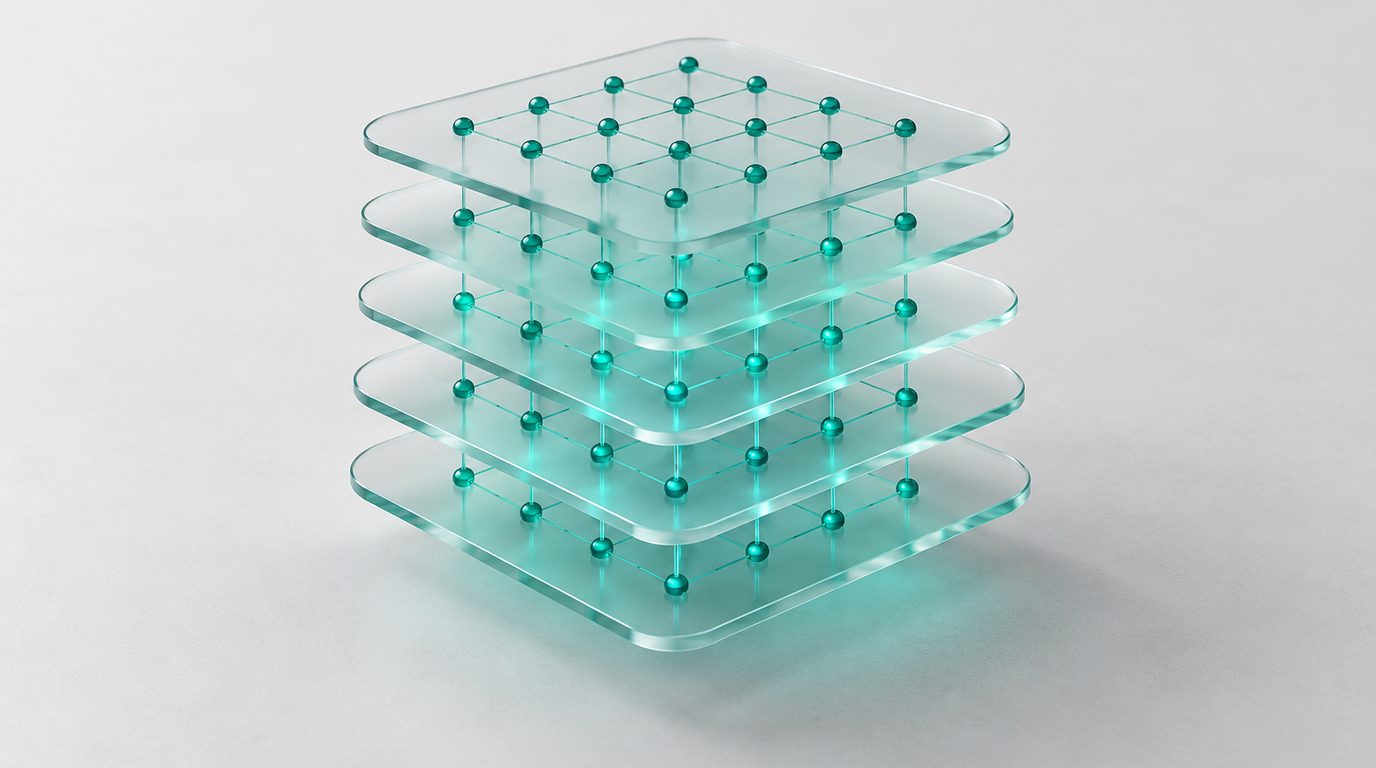
A BACnet present value, a Modbus register and a LoRa payload mean nothing to anyone outside their protocol. The tag model gives them a shared shape, so a temperature is a temperature wherever it came from and can be compared, trended and alerted on the same way.
A readable path such as site.tower-a.ahu-02.supply-air-temp, built from your own hierarchy.
Engineering units are stored with every tag, and scaling is applied once in the device profile.
Each value carries the time it was read, so history from different protocols lines up.
A quality flag marks good, stale and failed readings, so a stuck value is never mistaken for a steady one.
Tags sit in site, building, floor and equipment levels that match how your team talks about the estate.
Align names with conventions such as Project Haystack or Brick Schema if your team uses them.
Yes. Names follow your hierarchy and can be aligned with your own convention.
It keeps its place in history with a failed quality flag, so a gap is visible and explained rather than silent.
Tell us which protocols are on site. We will scope a pilot that reads your real devices.